Beyond the Box Score: How Sharp American Bettors Are Cashing In on Election Night, Award Shows, and Crypto Swings
If you've spent years building out a betting system — studying line movement, tracking public money, fading the square crowd — you already know something most casual gamblers don't: information asymmetry is the whole game. The moment you understand something the market hasn't fully priced in yet, you have an edge. And right now, a huge chunk of American bettors are leaving that edge completely untouched because they're still thinking inside the stadium.
Prediction markets are exploding. Not just as a curiosity for finance nerds or political junkies, but as a legitimate arena where sharp bettors are applying the exact same skills they've honed on NFL spreads and NBA totals. The difference? The competition is softer, the markets are less efficient, and Southeast Asian sportsbooks are already years ahead of anything the US industry is offering.
What Actually Is a Prediction Market?
Strip away the academic language and a prediction market is exactly what it sounds like: you're placing money on whether something will happen. Will the Democrats flip the Senate? Will Dune take Best Picture? Will Bitcoin hit $100K before December 31st? These aren't hypothetical water-cooler debates anymore — they're live, tradeable markets with real money on the line.
Platforms like Polymarket and Kalshi have been getting mainstream attention in the US, but they operate under a complicated regulatory patchwork that limits what they can offer and who can participate. Meanwhile, several Southeast Asian sportsbooks have been running non-sports specials — what the industry sometimes calls "novelty" or "entertainment" markets — for years, and they've gotten very good at it.
The key distinction is market depth and variety. US-facing platforms might offer a handful of election markets during a big cycle. Asian books? They'll have dozens of sub-markets: which state flips first, what the margin of victory looks like, whether a specific candidate concedes before midnight. Sound familiar? It should — it's the same micro-market logic that made Asian handicap betting so attractive to sharp NFL bettors.
Why Your Sports Betting Brain Translates Perfectly Here
Here's the thing most people don't realize about prediction markets: the analytical framework is nearly identical to handicapping a game. You're still doing the same core work — assessing probability, identifying where the public is overreacting or underreacting, finding inefficiencies before the sharp money closes them.
Take a political election. The public tends to overweight recent polling and underweight structural factors like incumbency, turnout modeling, and historical voting patterns in specific counties. Sound like anything? It's basically the same mistake casual bettors make when they overweight last week's box score and ignore pace-of-play data or injury reports.
Award show markets work similarly. The Academy voters are a specific demographic with documented preferences. There's a "campaign season" that functions a lot like the lead-up to a game — momentum shifts, narrative changes, late-breaking news. The bettors who do well in these markets aren't film critics. They're handicappers who've learned to read the signal through the noise.
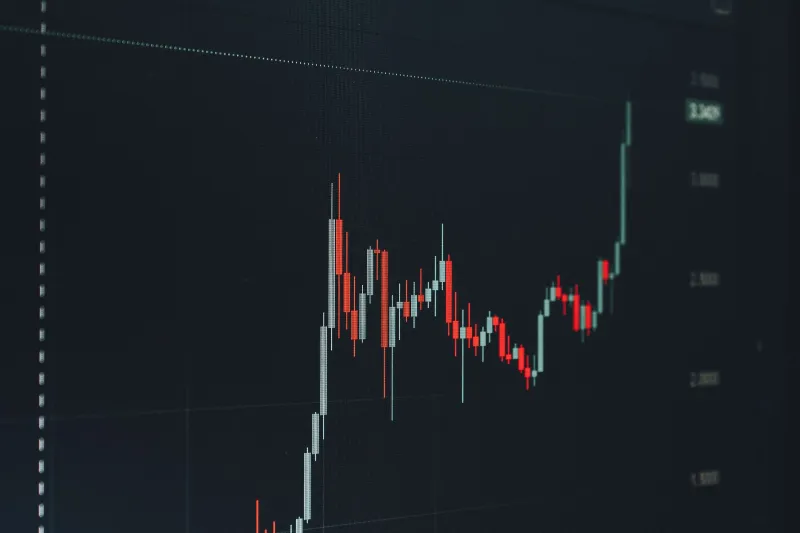
Crypto price markets are the wildest frontier, and the most volatile, but the same principles apply. You're not trying to predict the future of blockchain technology. You're trying to predict whether the market will price Bitcoin above or below a certain threshold by a certain date — and that's a sentiment and momentum question as much as a fundamentals question.
Where Southeast Asian Books Are Lapping the US Industry
KantorBola has covered the operational gaps between US and Asian sportsbooks before — the faster payouts, the better live betting infrastructure, the more competitive odds. But the prediction market gap might be the most underappreciated one.
Major Southeast Asian platforms have built out what you might call an "everything book" model. Sports are the anchor, sure, but the same interface lets you jump into markets on the next papal election, the outcome of a specific UN vote, the winner of a K-pop award ceremony, or whether a certain tech CEO will still be in their role by Q3. These aren't afterthoughts. They're fully developed markets with real liquidity and actively managed lines.
The reason this matters for American bettors specifically is that these markets are genuinely less efficient than major sports lines. A sharp bettor who's done real research on, say, a midterm Senate race has a meaningful edge over a recreational bettor placing a gut-feel wager. The same is almost never true for a Super Bowl spread, where every professional in the world has already squeezed the line toward its true value.
The Soft Market Advantage
Efficiency is the enemy of the edge. The more money and information that flows into a market, the harder it becomes to find genuine value. NFL point spreads are brutally efficient — Vegas has decades of data, enormous handle, and sharp syndicates constantly correcting any mispricing within minutes.
Prediction markets, especially non-sports ones, are the opposite. The handle is smaller, the analytical community is thinner, and public bettors are making decisions based on vibes, headlines, and Twitter sentiment rather than systematic research. For anyone willing to put in actual work — building models, tracking polling averages, understanding base rates — the expected value is materially better than what you'll find on a Saturday NFL card.
This is exactly the kind of market environment that the original generation of sharp sports bettors thrived in before the industry caught up to them. The prediction market space, particularly through Asian-facing books, feels like that window cracked open again.
Getting Started Without Getting Wrecked
A few practical notes before you start throwing money at Oscar nominations:
Start with what you already know. If you've been betting college football for a decade, start with markets that overlap with your existing knowledge base. Political elections in swing states you've studied? Great starting point. Crypto markets if you've never looked at a price chart? Probably not.
Treat it like a new sport. The same bankroll discipline applies. Don't oversize your positions just because it feels less "serious" than betting a game. Prediction markets can move against you fast, especially when a news event drops overnight.
Look for the line before the public notices. In sports betting, you want to get your number before the sharp money moves it. In prediction markets, the equivalent is betting before a major news cycle shifts public sentiment. Early positioning matters.
Use multiple platforms. The Asian books often have different lines than US-facing prediction market platforms. If you're already comfortable moving between sportsbooks for the best number, apply that same habit here.
The Bigger Picture
The US sports betting industry has been in a massive growth phase since PASPA was overturned in 2018, but it's still largely stuck in a traditional sports-first mindset. Prediction markets represent the next evolutionary step — a space where the analytical skills that define sharp betting apply to literally everything happening in the world.
Southeast Asian operators figured this out earlier, built the infrastructure, and are already running mature markets while American platforms are still debating regulatory frameworks. For US bettors willing to look beyond domestic options, that gap is an opportunity. Your handicapping toolkit didn't stop being useful just because you moved past the sports section.